
Hydroponic Tower 101: The Complete Guide to Growing Fresh Food Without Soil

Meta Description:
Discover how hydroponic towers work, what you can grow, and why vertical hydroponic gardening is perfect for small spaces. Learn how to grow fresh vegetables at home with less water, less maintenance, and no soil.
Hydroponic Tower 101: Your Complete Guide to Soil-Free Vertical Gardening
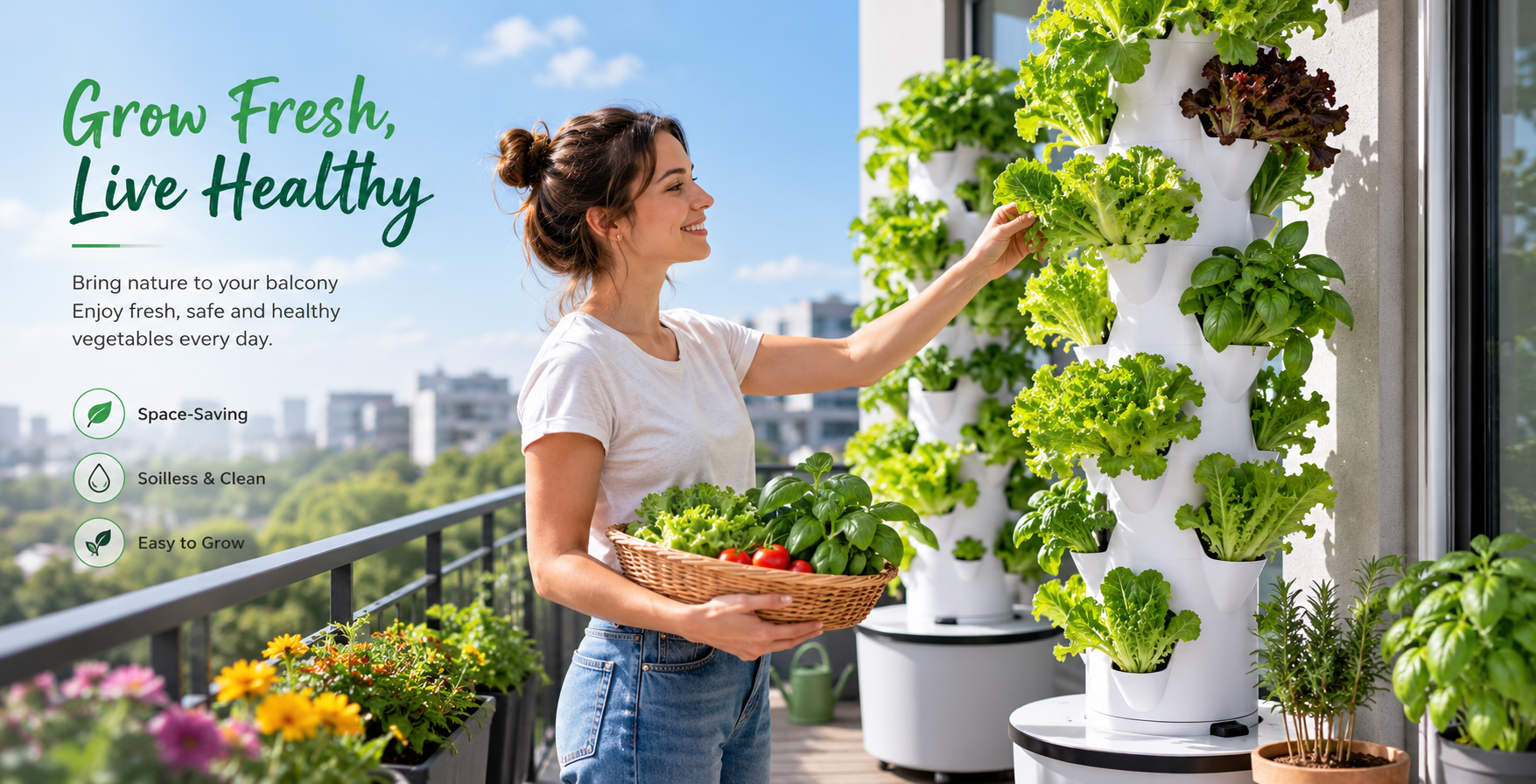
Imagine walking onto your balcony in the morning and picking fresh lettuce for your breakfast, harvesting basil for dinner, or enjoying homegrown tomatoes picked straight from your own garden.
Now imagine doing all of this without digging soil, pulling weeds, or needing a large backyard.
That’s the power of a hydroponic tower.
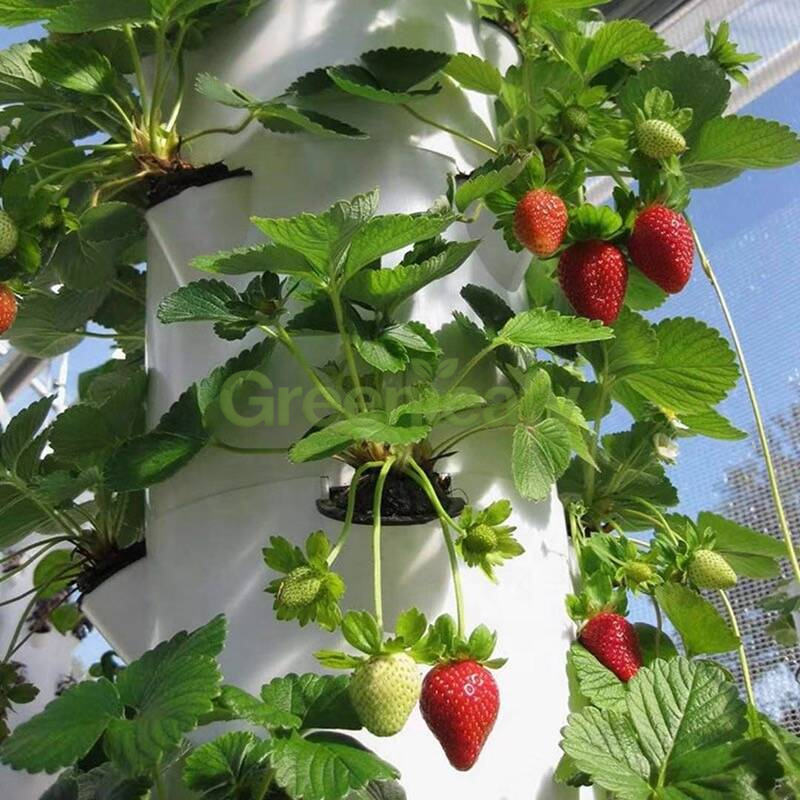
A hydroponic tower is a vertical growing system that allows you to grow fresh vegetables, herbs, and fruits using nutrient-rich water instead of traditional soil. It’s designed for modern lifestyles — perfect for apartments, balconies, patios, kitchens, and anyone who wants to enjoy homegrown food with less effort.
Whether you are an experienced gardener looking to grow more in less space or a beginner starting your first garden, this guide will explain everything you need to know about hydroponic towers — how they work, what you can grow, and how to get started.
What Is a Hydroponic Tower?
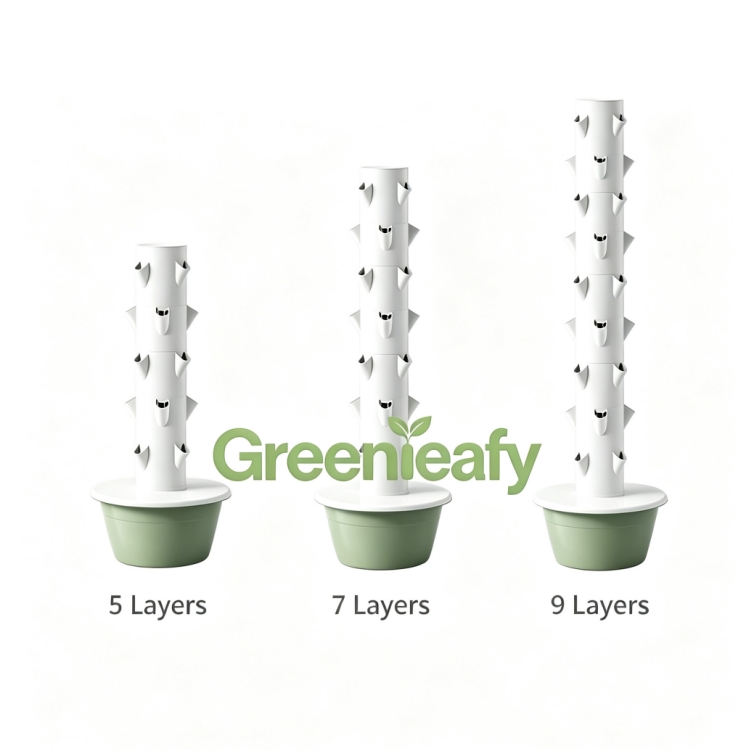
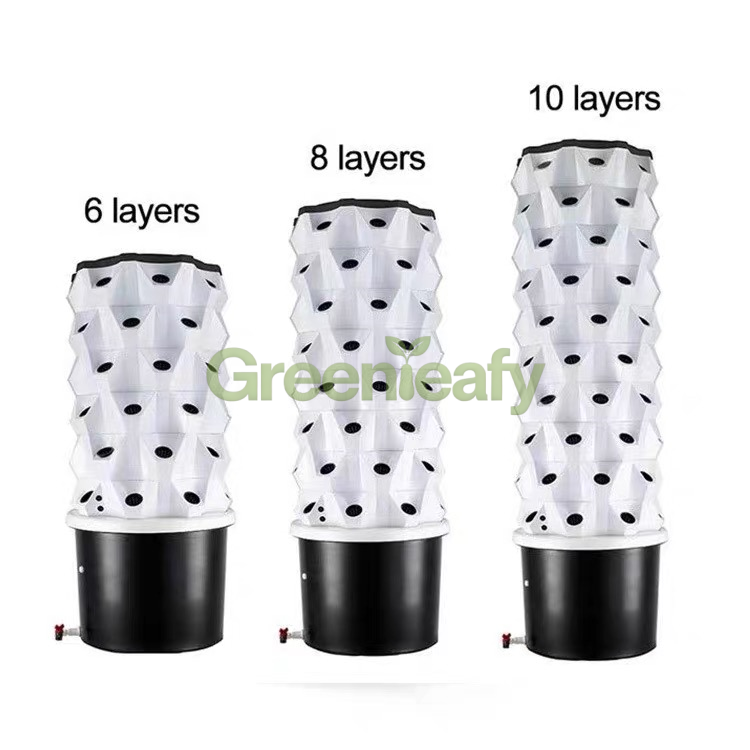
A hydroponic tower is a vertical, soil-free gardening system that grows plants by delivering water, oxygen, and nutrients directly to plant roots.
Unlike traditional gardening, where plants search through soil for nutrients, hydroponic systems provide everything plants need through a carefully balanced nutrient solution.
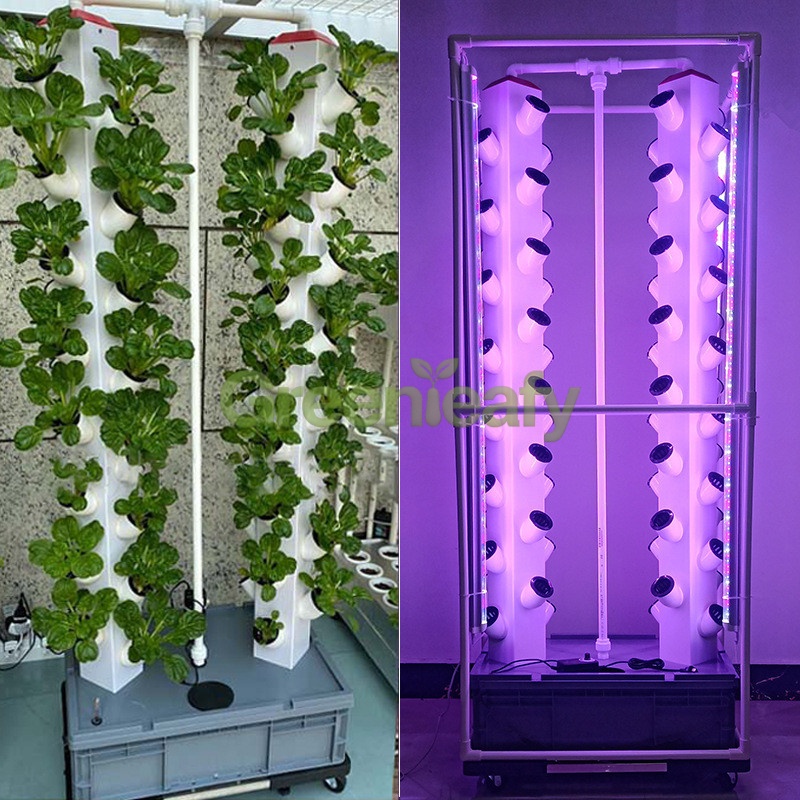
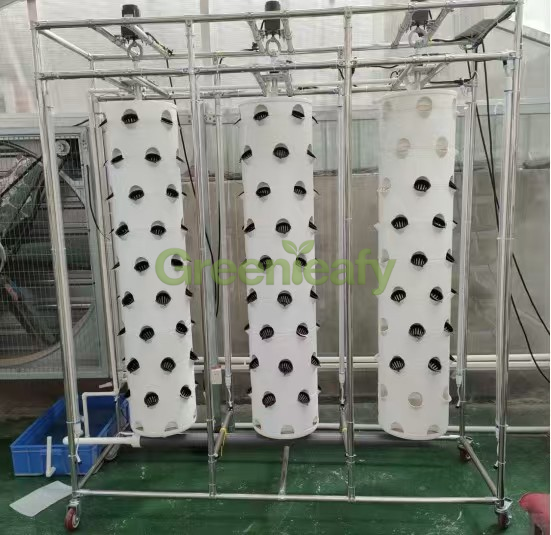
Here’s how a typical hydroponic tower works:
1. Water and Nutrients Are Pumped Upward
A water pump moves nutrient-rich water from the reservoir at the bottom of the tower to the top.
2. Water Flows Through the Growing Columns
The nutrient solution gently flows downward through the tower, reaching each planting pocket along the way.
3. Plants Absorb Nutrients Directly
Plant roots receive water, oxygen, and essential nutrients without needing soil.
4. Water Is Recycled
The unused water returns to the reservoir and circulates again, creating an efficient growing cycle.
The result?
A clean, space-saving garden that produces fresh food with minimal mess.
Why Choose a Hydroponic Tower?
More and more home gardeners are choosing hydroponic towers because they solve many challenges of traditional gardening.
1. Grow More Plants in Less Space
One of the biggest advantages of vertical gardening is efficiency.
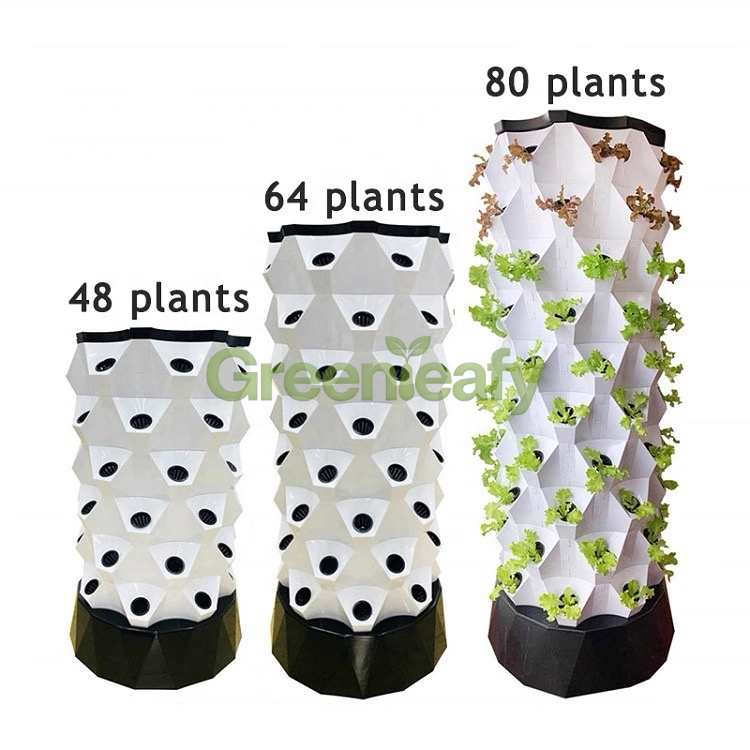
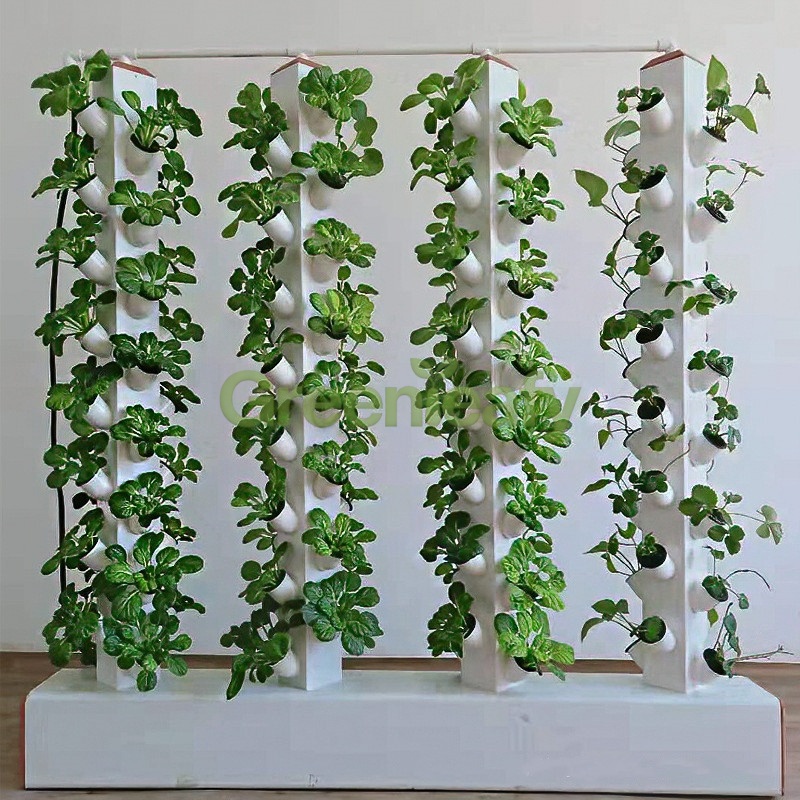
A hydroponic tower uses vertical space instead of spreading plants across the ground. A compact footprint can support dozens of plants, making it ideal for:
- Apartment balconies
- Small patios
- Urban homes
- Indoor growing areas
- Backyard gardens with limited space
Instead of needing a large garden bed, you can create a productive growing area almost anywhere.
2. Enjoy Faster and More Consistent Growth
In traditional soil gardening, plant roots must search for nutrients and water.
Hydroponic systems deliver nutrients directly to the roots, allowing plants to focus more energy on growth.
Many fast-growing crops, especially leafy greens and herbs, can produce harvests quickly when grown under the right conditions.
3. Save Water Through Recirculation
Hydroponic towers are designed to reuse water instead of constantly losing it through soil absorption and runoff.
Because the system continuously circulates water, it can significantly reduce water usage compared with traditional gardening methods.
This makes hydroponic towers a smart choice for gardeners who want a more sustainable way to grow food.
4. Less Weeding and Less Mess
No soil means no digging, no muddy hands, and far fewer weeds.
A hydroponic tower also reduces many soil-related problems, such as:
- Soil-borne diseases
- Ground pests
- Heavy garden maintenance
You spend less time maintaining your garden and more time enjoying your harvest.
5. Grow Fresh Food Throughout the Year
Traditional gardens depend heavily on seasons and weather conditions.
With a hydroponic tower, you can extend your growing season and continue producing fresh herbs and vegetables throughout the year.
With enough sunlight or the right grow lights, your garden can keep growing even when outdoor conditions are not ideal.
Hydroponic Tower vs Traditional Gardening: Which Is Better?
Both methods have advantages, but hydroponic towers offer unique benefits for modern gardeners.
| Feature | Hydroponic Tower | Traditional Garden |
|---|---|---|
| Soil Required | No | Yes |
| Space Needed | Very small footprint | Requires more space |
| Weeding | Minimal | Regular maintenance |
| Water Usage | Efficient recirculation | More water loss |
| Growing Location | Balcony, patio, indoor areas | Usually outdoor space |
| Growing Season | Extended | More seasonal |
For people living in apartments, cities, or homes with limited outdoor space, hydroponic towers provide an easy way to enjoy fresh homegrown produce.
What Can You Grow in a Hydroponic Tower?
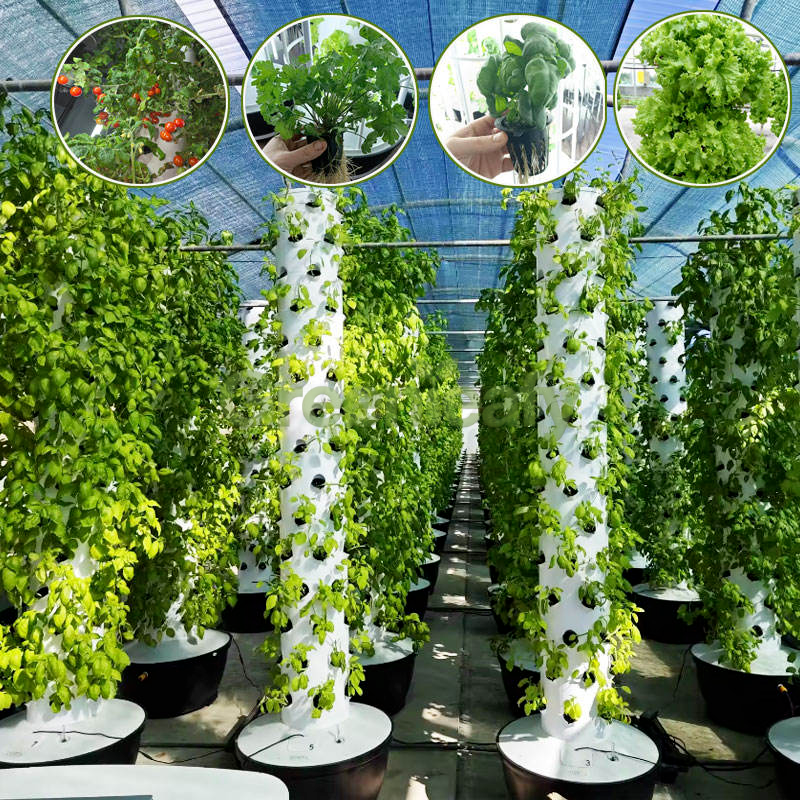
A hydroponic tower can grow a wide variety of plants. For beginners, the easiest crops are usually leafy greens and herbs.
Leafy Greens
Great choices include:
- Lettuce
- Spinach
- Kale
- Arugula
- Swiss chard
These plants grow quickly and are perfect for first-time growers.
Fresh Herbs
Create your own kitchen herb garden with:
- Basil
- Mint
- Parsley
- Cilantro
- Oregano
- Thyme
Fresh herbs grown at home often taste better because they can be harvested exactly when you need them.
Fruiting Plants
With proper care, many hydroponic towers can also grow:
- Cherry tomatoes
- Strawberries
- Peppers
- Compact cucumbers
- Small eggplants
These plants may require more attention but can provide rewarding harvests.
Edible Flowers
Add beauty and flavor to your garden with:
- Nasturtiums
- Pansies
- Marigolds
What Makes a Good Hydroponic Tower?
Not all hydroponic systems are designed the same way. A high-quality hydroponic tower should be easy to use, durable, and designed for healthy plant growth.
Food-Safe, Durable Materials
The materials used in your growing system matter.
A quality hydroponic tower should use food-safe materials that are:
- Safe for growing edible plants
- Resistant to outdoor conditions
- Durable for long-term use
Easy Setup and Low Maintenance
Gardening should be enjoyable, not complicated.
A beginner-friendly hydroponic tower should include features such as:
- Simple assembly
- Efficient water circulation
- Easy water level monitoring
- Automatic pump scheduling
These features allow you to spend less time managing your system and more time enjoying your plants.
Balanced Water Distribution
Healthy plants need consistent access to water and nutrients.
A well-designed tower should distribute water evenly from top to bottom, helping every plant receive the moisture and nutrients it needs.
Good water flow also improves oxygen availability around plant roots, supporting stronger growth.
How to Start Your First Hydroponic Tower Garden
Starting is easier than many beginners expect.
Step 1: Choose the Right Location
Select an area with:
- Around 6–8 hours of sunlight
- Good air circulation
- Easy access to water and electricity
A balcony, patio, greenhouse, or sunny indoor location can work well.
Step 2: Assemble Your Tower
Most modern hydroponic towers are designed for simple setup.
Follow the instructions, connect the pump system, and prepare your growing spaces.
Step 3: Add Water and Nutrients
Fill the reservoir with clean water and add the recommended hydroponic nutrients.
Maintaining the correct nutrient balance is important for healthy plants.
Step 4: Add Plants and Start Growing
Place seedlings or seeds into the growing pockets and begin the growing cycle.
Start with beginner-friendly plants like lettuce and herbs before moving on to more demanding crops.
Frequently Asked Questions About Hydroponic Towers
Do I need gardening experience to use a hydroponic tower?
No. Hydroponic towers are beginner-friendly and designed for people who want an easier way to grow fresh food at home.
Can I use a hydroponic tower indoors?
Yes. Indoor growing is possible with sufficient lighting. Many indoor gardeners use full-spectrum LED grow lights to provide the light plants need.
How much maintenance does a hydroponic tower require?
Maintenance is usually simple. Regular tasks include checking water levels, adding nutrients, cleaning the system, and monitoring plant health.
Can I grow tomatoes and strawberries in a hydroponic tower?
Yes. Many fruiting plants can grow successfully, although they usually require more nutrients, support, and care compared with leafy greens.
Is a hydroponic tower worth it?
For people who want fresh vegetables, limited space gardening, and a cleaner alternative to traditional gardening, a hydroponic tower can be an excellent investment.
Start Growing Fresh Food at Home Today
Growing your own food is more than a hobby — it’s a healthier, more sustainable way of living.
A hydroponic tower allows you to enjoy:
- Fresh vegetables whenever you need them
- A cleaner gardening experience
- More growing power in less space
- The satisfaction of harvesting food you grew yourself
Whether you have a small balcony or a large backyard, you can create your own productive vertical garden.
Ready to start your hydroponic journey?
Explore our hydroponic tower today and bring fresh, homegrown food closer to your everyday life.
Happy growing! 🌱
478596
test1123