
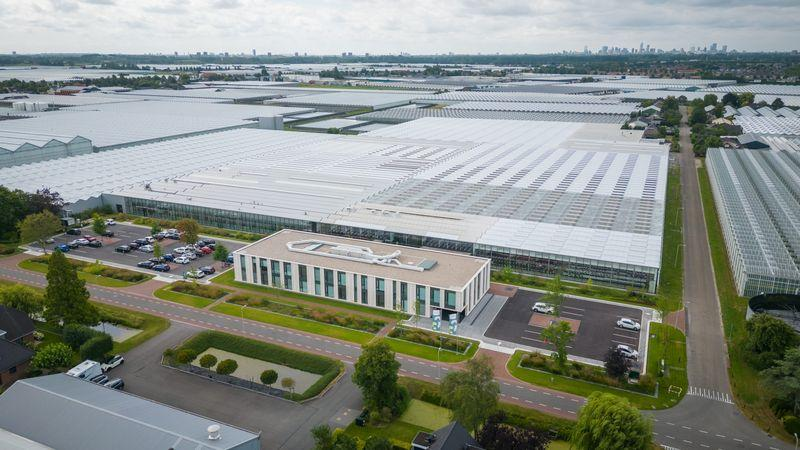
Complete Guide to Commercial Greenhouses: Types, Benefits, and How to Choose the Right Greenhouse

Introduction: Why Are More Farmers Investing in Commercial Greenhouses?
Traditional open-field farming is highly dependent on weather conditions.
Extreme temperatures, heavy rain, strong wind, pests, and seasonal limitations can significantly reduce crop yield and quality.
A commercial greenhouse provides a controlled growing environment that helps farmers:
- Extend the growing season
- Improve crop quality
- Increase production efficiency
- Reduce weather-related risks
- Optimize water and fertilizer usage
With modern greenhouse technology, growers can produce vegetables, fruits, flowers, herbs, and even specialty crops throughout the year.
Choosing the right greenhouse structure is the first step toward building a successful agricultural project.
1. What Is a Commercial Greenhouse?
A commercial greenhouse is an agricultural structure designed for large-scale crop production.
Unlike small home greenhouses, commercial greenhouses are engineered according to:
- Local climate conditions
- Wind and snow loads
- Crop requirements
- Ventilation needs
- Irrigation systems
- Automation level
A complete greenhouse system usually includes:
Greenhouse Structure
The frame is commonly made from:
- Hot-dip galvanized steel
- Aluminum profiles
- High-strength steel pipes
A properly designed structure ensures long service life and stability under different weather conditions.
Covering Materials
Common greenhouse coverings include:
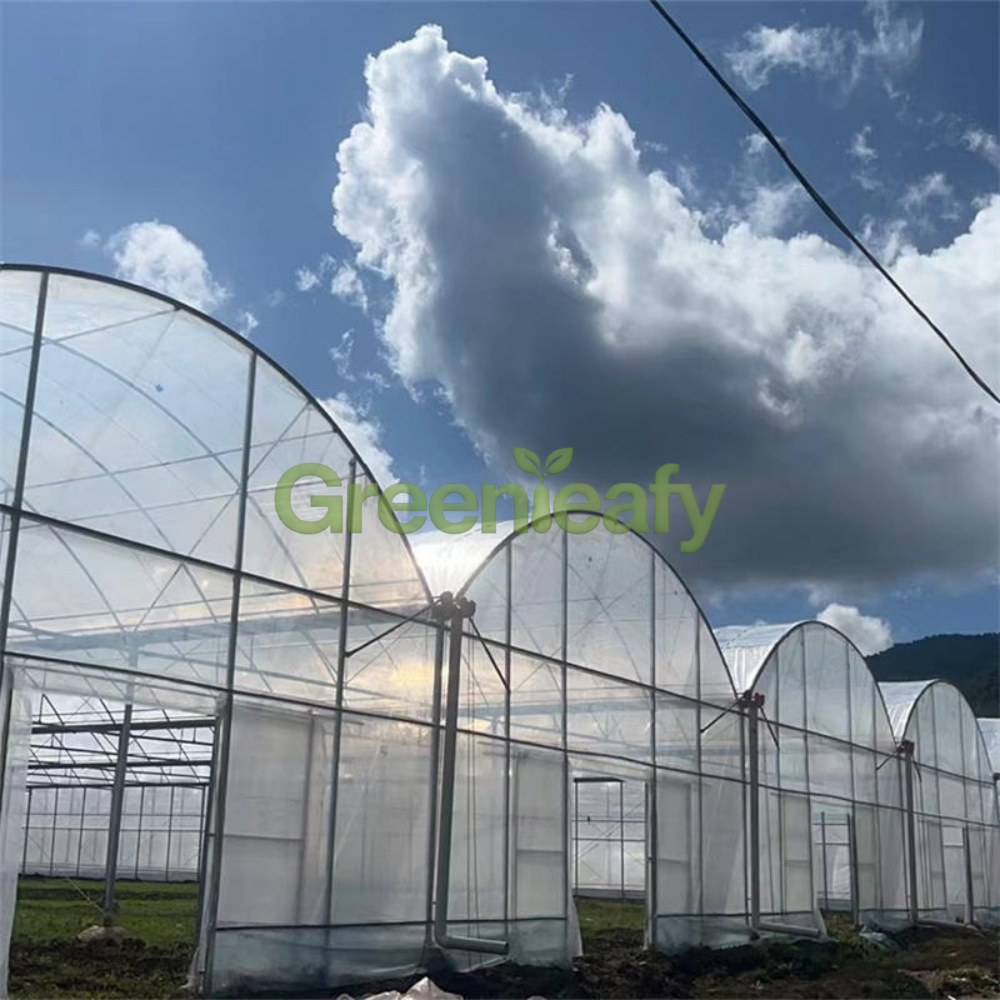
Plastic Film Greenhouse
Plastic film greenhouses are widely used because of:
- Lower investment cost
- Good light transmission
- Easy maintenance
- Large cultivation area
Common films:
- PE film
- PO film
- Multi-layer greenhouse film
Polycarbonate Greenhouse
Polycarbonate panels provide:
- Better insulation
- Higher durability
- Improved heat retention
They are commonly used in colder climates.
2. Main Types of Commercial Greenhouses
Different crops and climates require different greenhouse designs.
1) Single Span Greenhouse
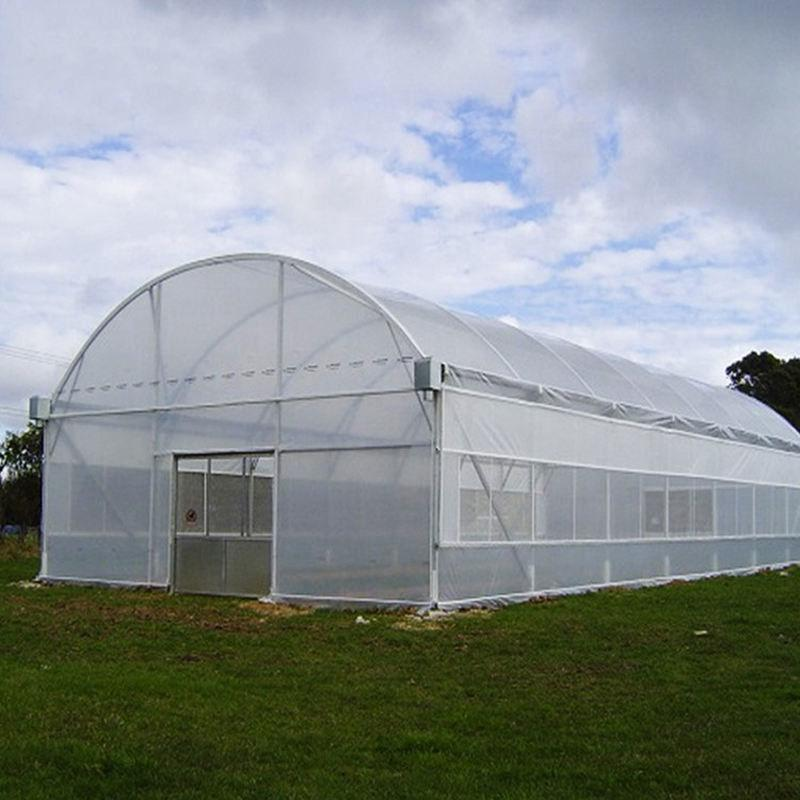
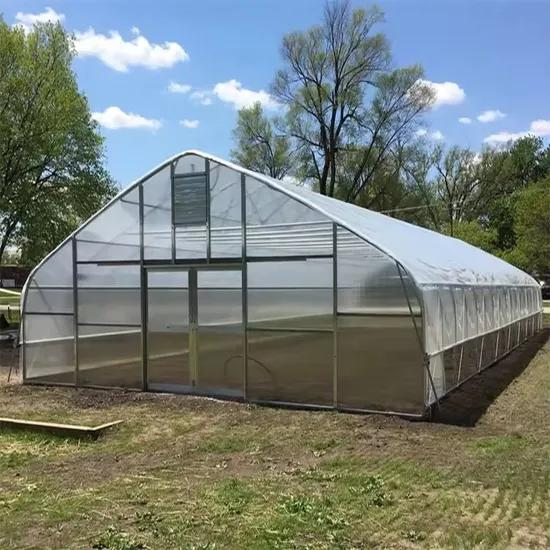
A single span greenhouse is one of the most popular solutions for:
- Vegetables
- Seedling production
- Small and medium farms
Advantages:
✔ Cost-effective
✔ Easy installation
✔ Suitable for various climates
✔ Simple maintenance
Recommended crops:
- Tomato
- Cucumber
- Lettuce
- Pepper
- Nursery plants
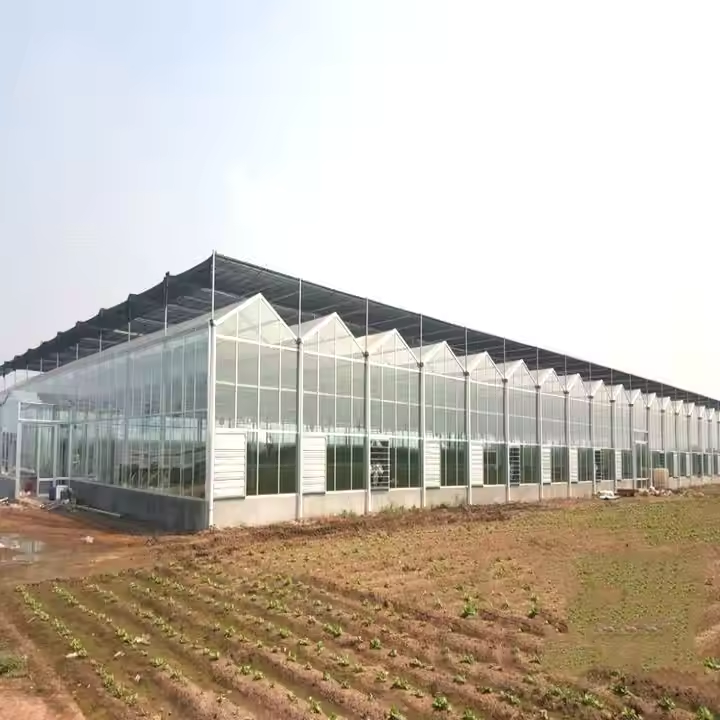
2) Multi-span Greenhouse
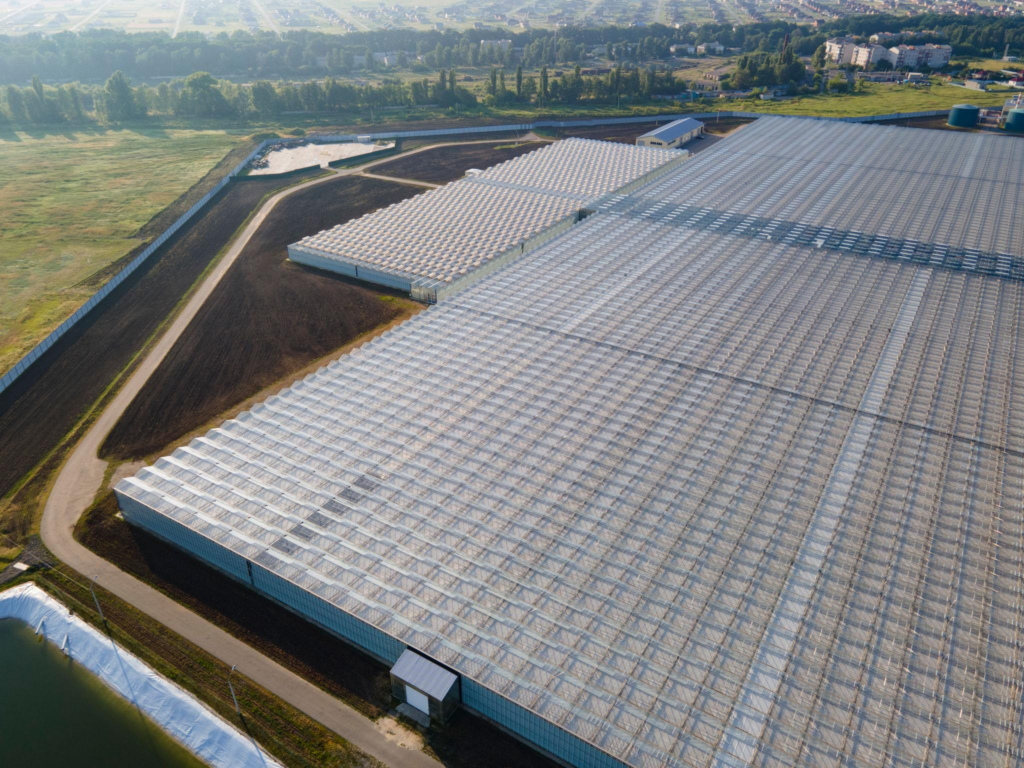
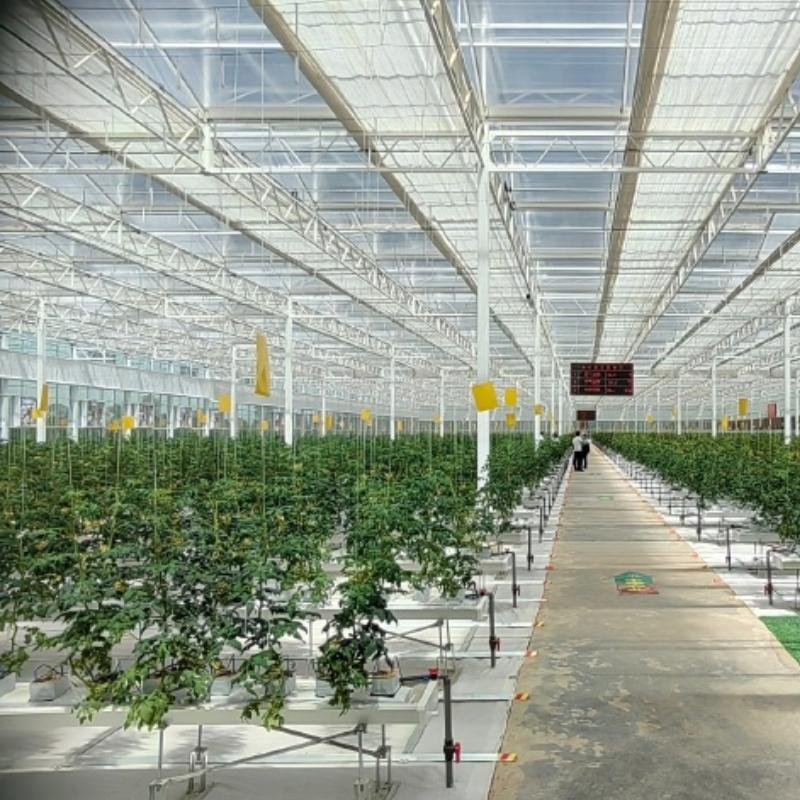
Multi-span greenhouses connect multiple greenhouse sections together.
They are designed for commercial farming projects requiring:
- Large cultivation areas
- Better space utilization
- Automated climate control
Advantages:
✔ Higher land utilization rate
✔ Suitable for industrial agriculture
✔ Easier installation of automation systems
Common applications:
- Commercial vegetable farms
- Flower production
- Hydroponic farming projects
3) Light Deprivation Greenhouse
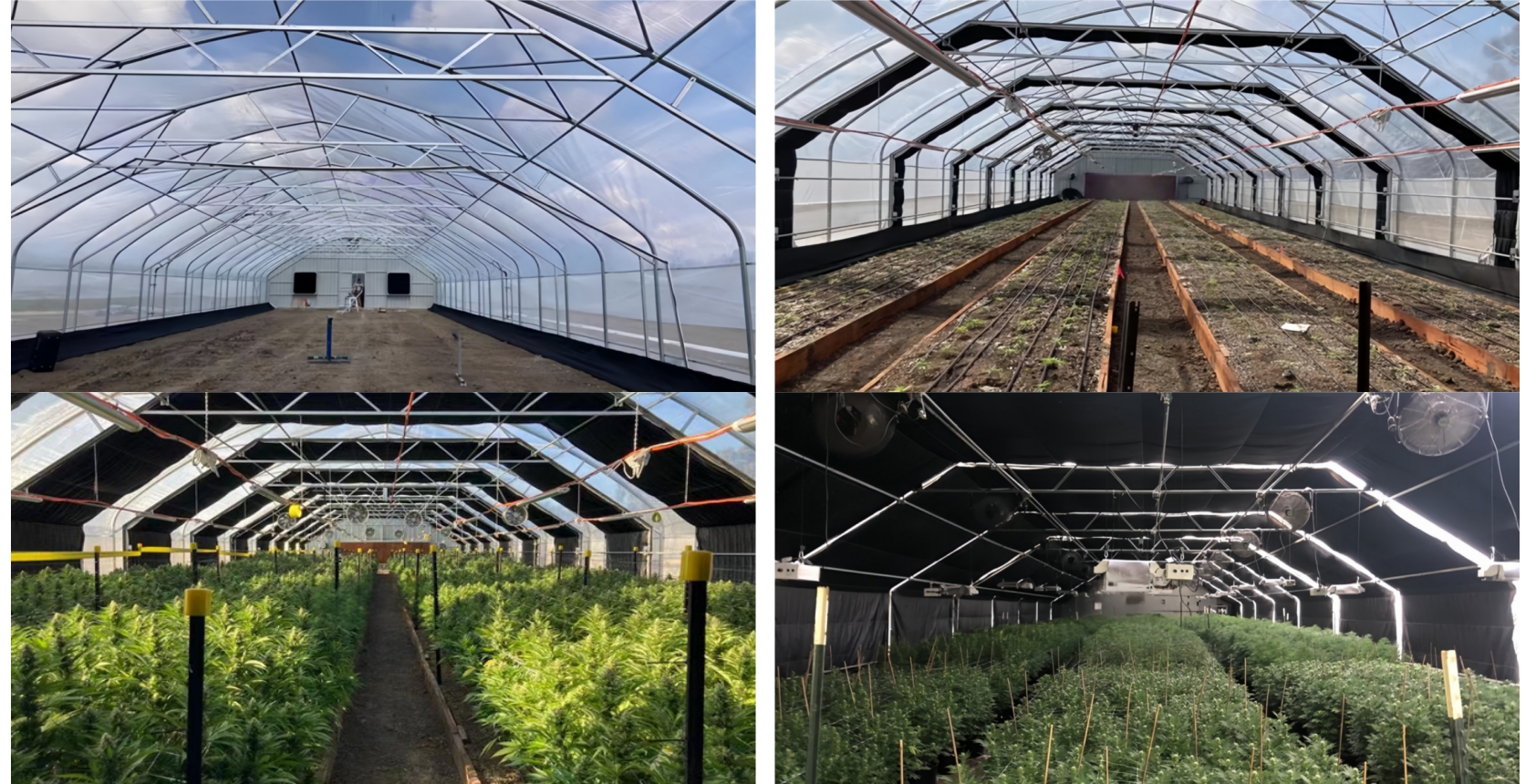
Light deprivation greenhouses use blackout systems to control the light cycle.
By controlling daylight exposure, growers can manage plant growth cycles more accurately.
Main features:
- Automatic blackout curtains
- Environmental control system
- Ventilation and cooling equipment
Applications:
- Specialty crops
- Research cultivation
- Controlled production environments
3. Important Greenhouse Systems You Should Consider
A greenhouse is not only a structure.
A successful greenhouse project requires a complete growing environment.
Ventilation System
Proper airflow helps:
- Reduce humidity
- Prevent diseases
- Control temperature
Options:
- Side ventilation
- Roof ventilation
- Exhaust fans
Cooling System
For hot climates, greenhouse cooling is essential.
Common solutions:
Fan and Pad Cooling System
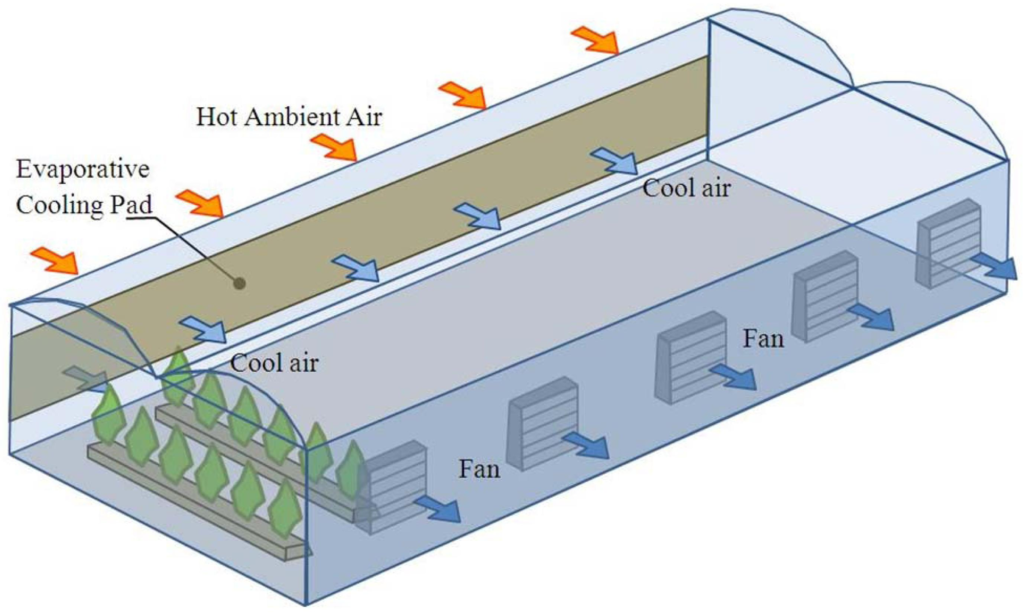
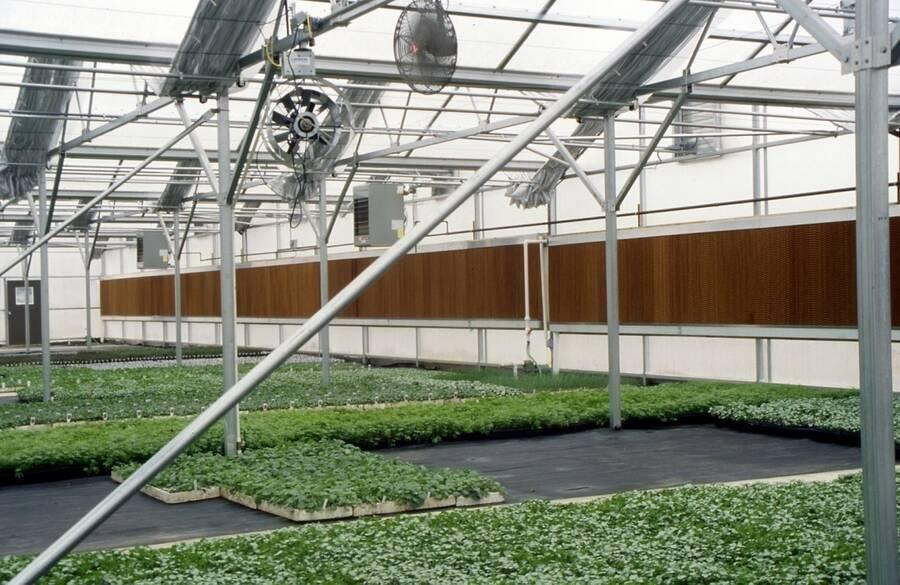
Working principle:
Hot air enters through the wet cooling pad.
Fans remove warm air and create a cooler growing environment.
Suitable for:
- Desert areas
- Tropical climates
- High temperature regions
Irrigation and Hydroponic Systems
Modern commercial greenhouses often combine with:
- Drip irrigation
- NFT hydroponic systems
- Vertical hydroponic towers
- Rolling benches
Benefits:
- Save water
- Improve fertilizer efficiency
- Increase production per square meter
4. How to Choose the Right Greenhouse?
Before purchasing a greenhouse, growers should consider five important factors.
1. Local Climate
Different regions require different designs.
Examples:
Hot climate:
- Strong ventilation
- Cooling system
- Shade net
Cold climate:
- Double layer covering
- Insulation system
- Heating equipment
2. Crop Type
Different crops have different environmental requirements.
| Crop | Recommended Greenhouse |
|---|---|
| Vegetables | Plastic film greenhouse |
| Seedlings | Multi-span greenhouse |
| Flowers | Polycarbonate greenhouse |
| Specialty crops | Light deprivation greenhouse |
3. Production Scale
Small farm:
- Single span greenhouse
Commercial farm:
- Multi-span greenhouse
Industrial project:
- Fully automated greenhouse system
4. Budget
A greenhouse should balance:
- Initial investment
- Operating cost
- Expected production value
The cheapest greenhouse is not always the most economical solution.
A properly designed greenhouse can provide higher return over its lifetime.
5. Why Choose a Professional Greenhouse Manufacturer?
A reliable greenhouse supplier should provide:
✔ Customized greenhouse design
✔ Climate-based recommendations
✔ Structural calculation
✔ Complete accessories supply
✔ Installation guidance
✔ Long-term technical support
At Green Leafy Agricultural, we provide customized greenhouse solutions according to:
- Customer location
- Climate conditions
- Crop requirements
- Production goals
From greenhouse structure to ventilation, cooling, irrigation, and cultivation systems, we help growers build efficient agricultural projects.
Conclusion
A commercial greenhouse is more than a farming structure.
It is a complete production environment that combines:
- Strong greenhouse structure
- Proper climate control
- Efficient irrigation
- Advanced cultivation technology
Whether you are planning a small farm or a large commercial agriculture project, selecting the right greenhouse design is the foundation of successful production.
Contact Us
Looking for a customized greenhouse solution?
Send us your:
- Location
- Greenhouse size
- Crop type
- Production requirements
Our team will provide a professional greenhouse design proposal.
Contact Green Leafy Agricultural today and start your modern farming project.